Joshua Lai

Studio experience / Personal experiments

Explore my work

Browse the projects, open a quick summary, or read more about my part in each one.

Current personal work
Studio work
Team projects at BUas
2023 personal level-design study
Earlier personal prototype

Godot · Ongoing personal prototype

01 / Current personal work

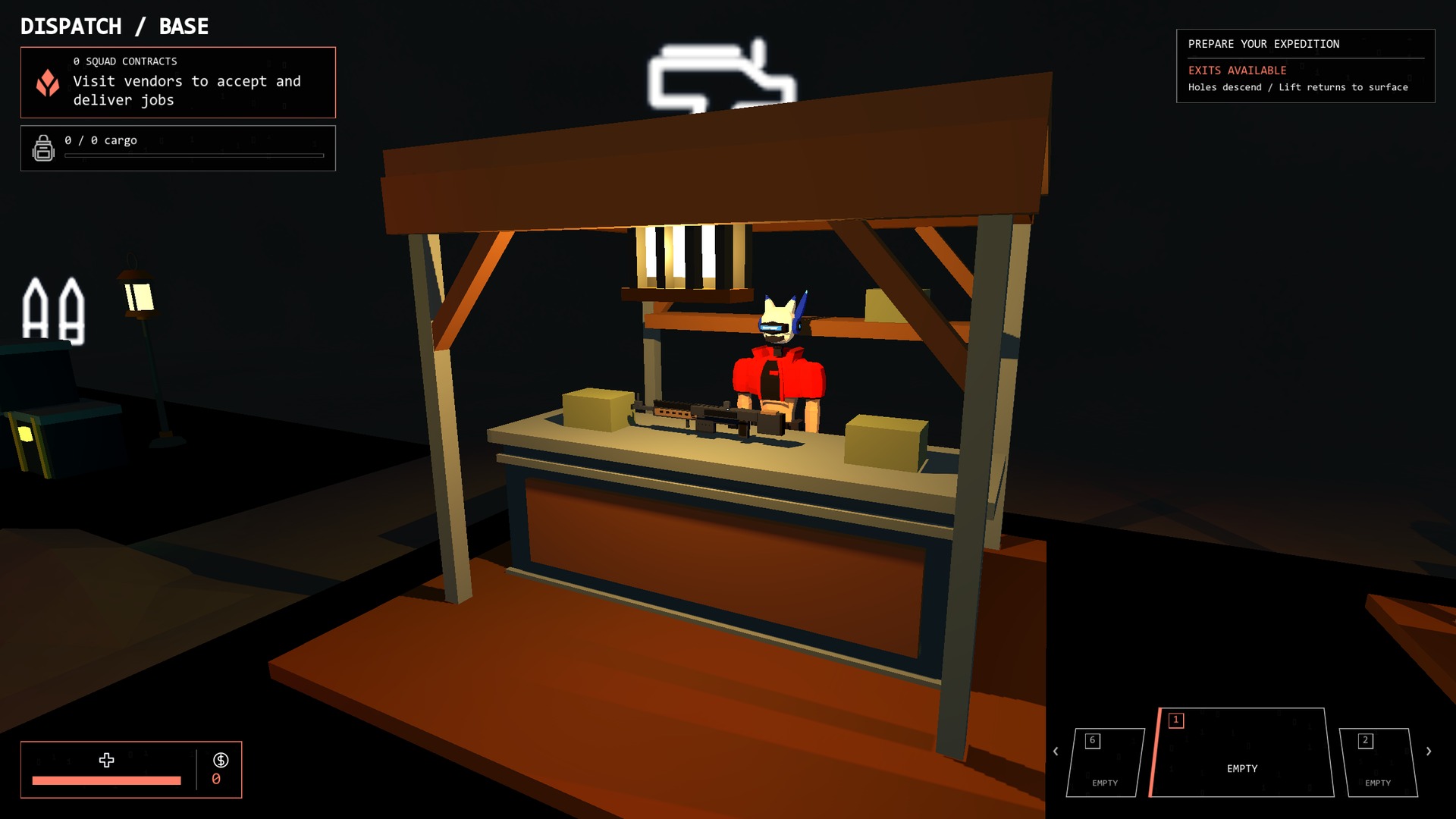
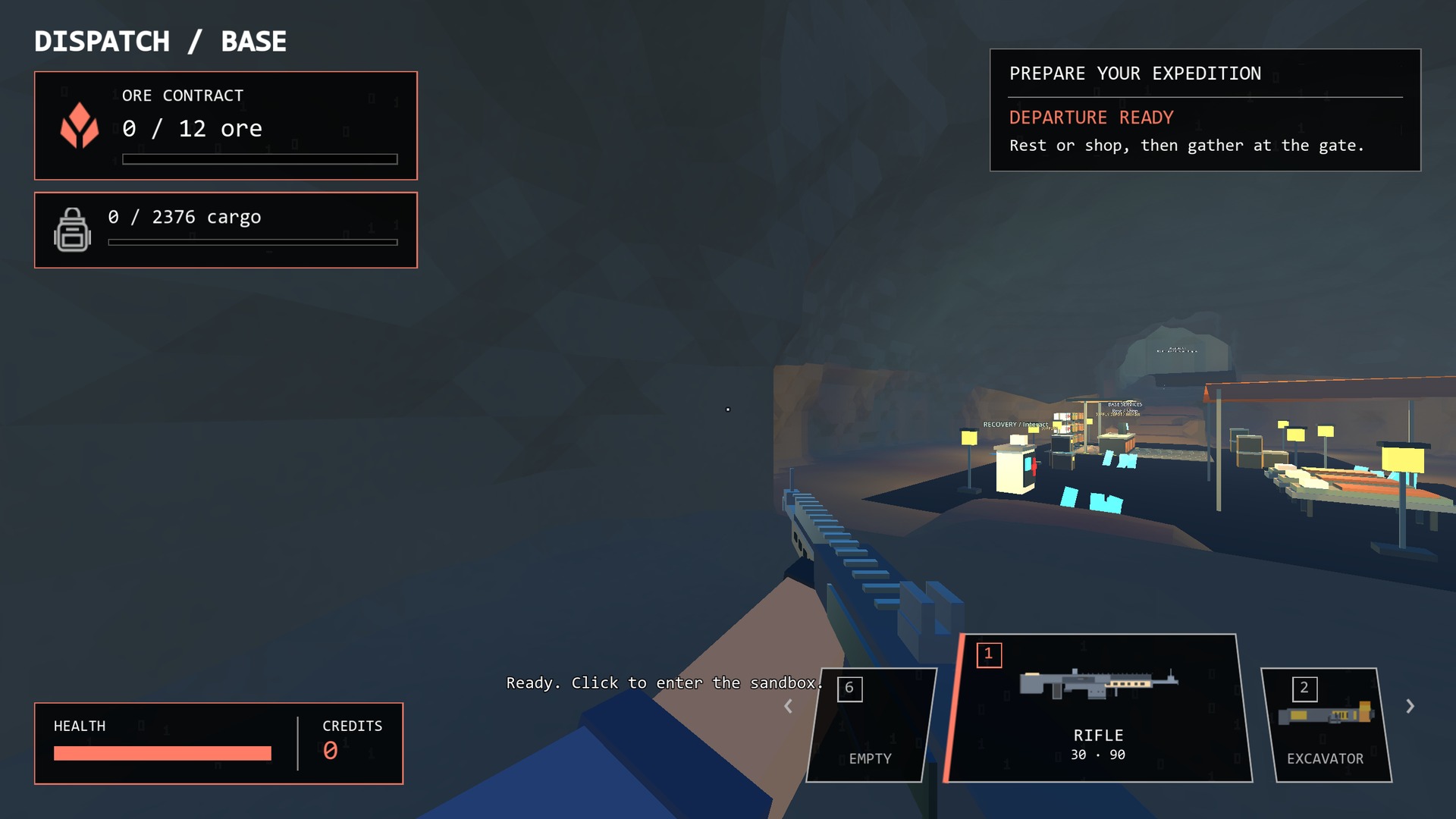
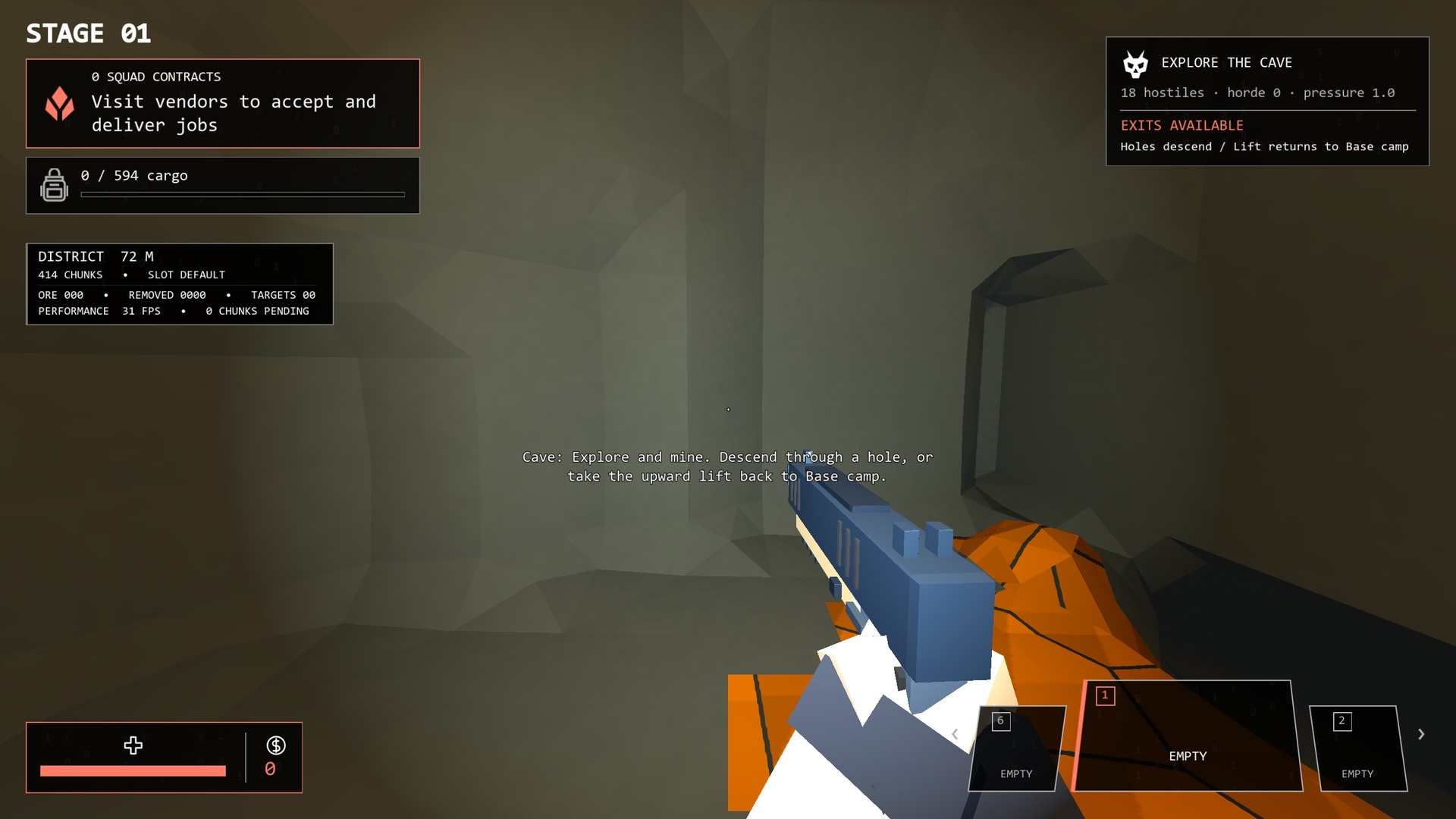
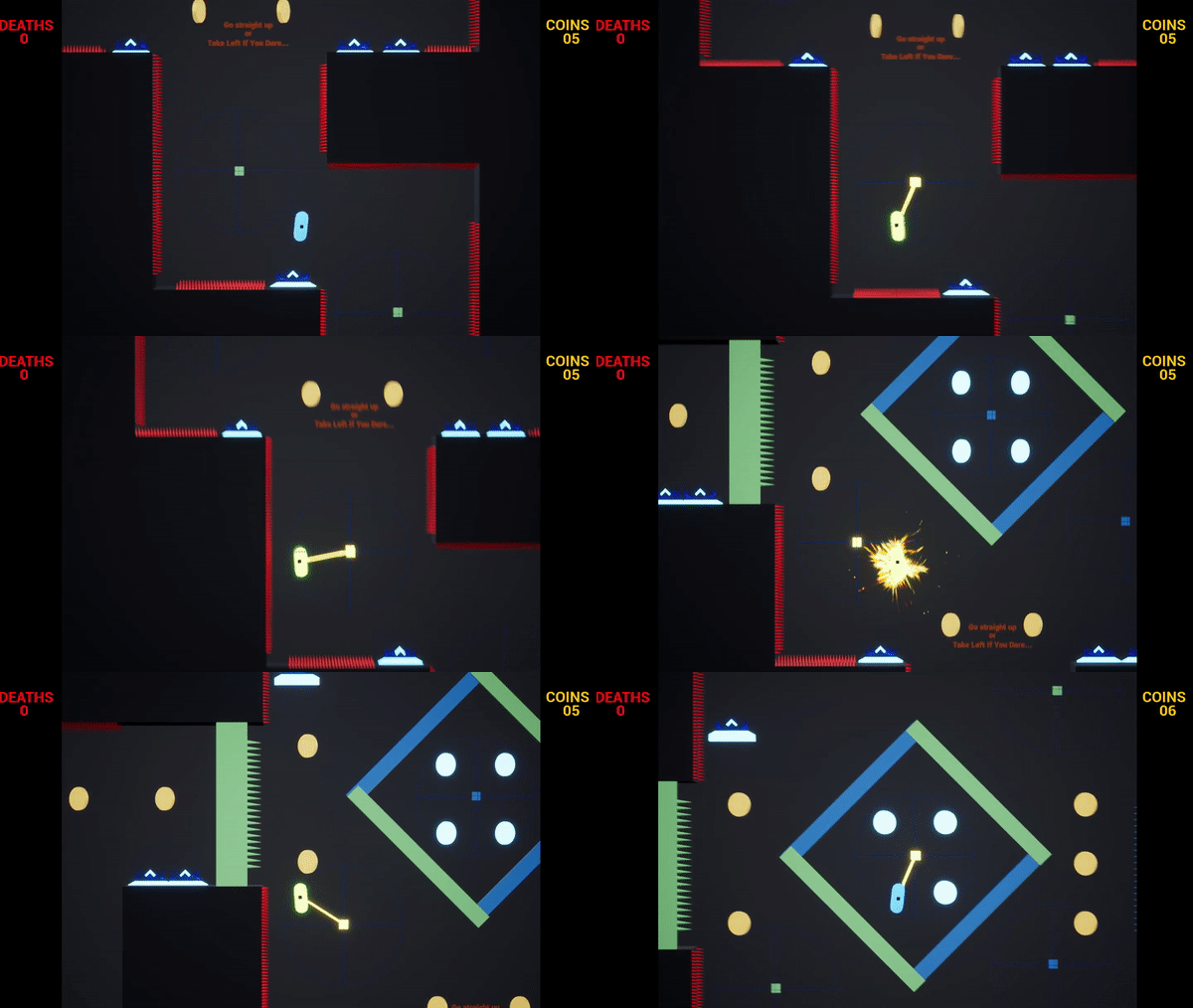
Project EX

A playground for multiplayer movement and interactive worlds.

I use Project EX to try game ideas, build playable mechanics, and find out what is fun with other players.

  • Movement: develop and tune how the character moves, looks, and responds.
  • Multiplayer: build with multiple players in mind from the start.
  • World interaction: explore voxel terrain, item pickup, and tools that affect the environment.
  • Design tools: make settings and animations easier to adjust as ideas change.
How I approach it

I work in small prototypes: choose an idea, make it playable, test it, and change what does not feel right. I use AI tools to help develop the systems while I guide the design and evaluate the results.

In development. This is an evolving prototype, rather than a released game.

Full project page → Back to projects ↑
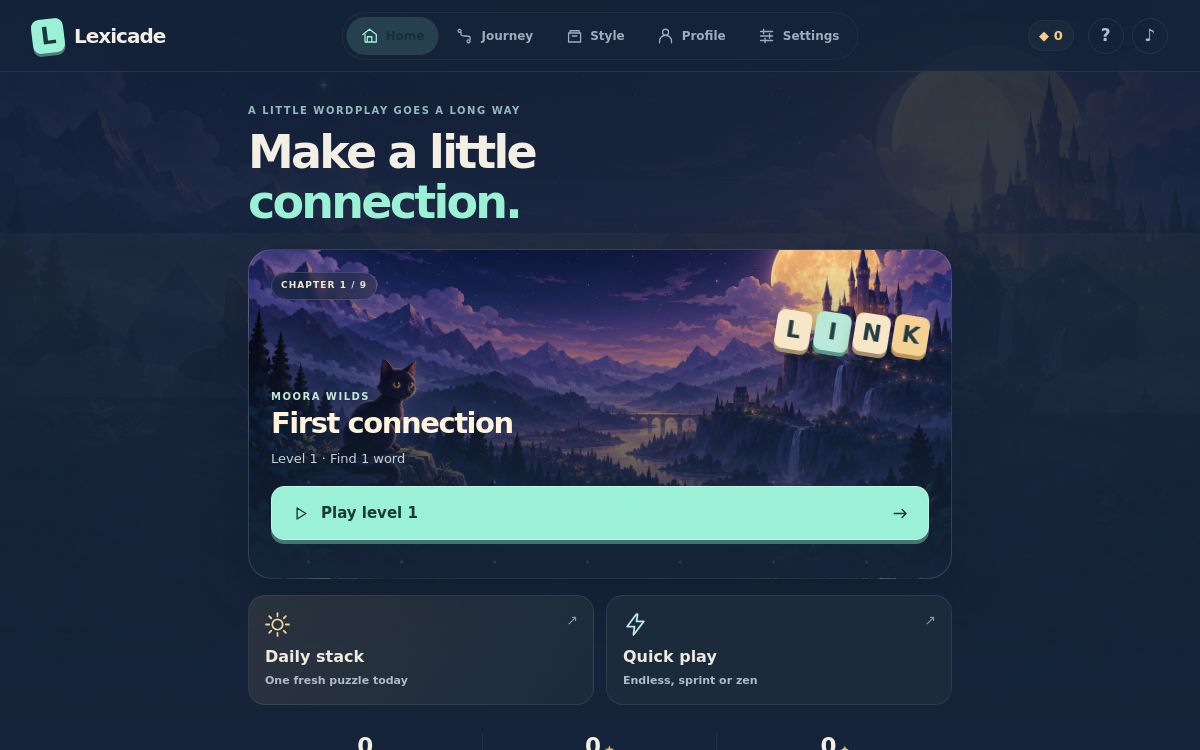
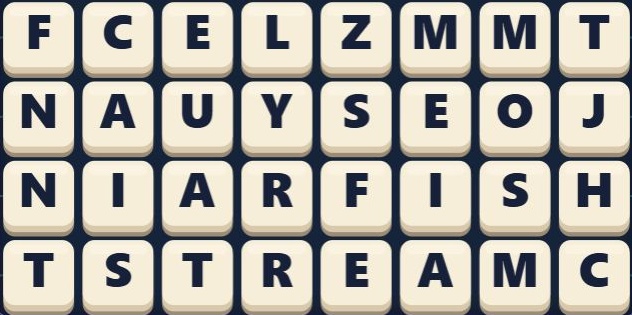
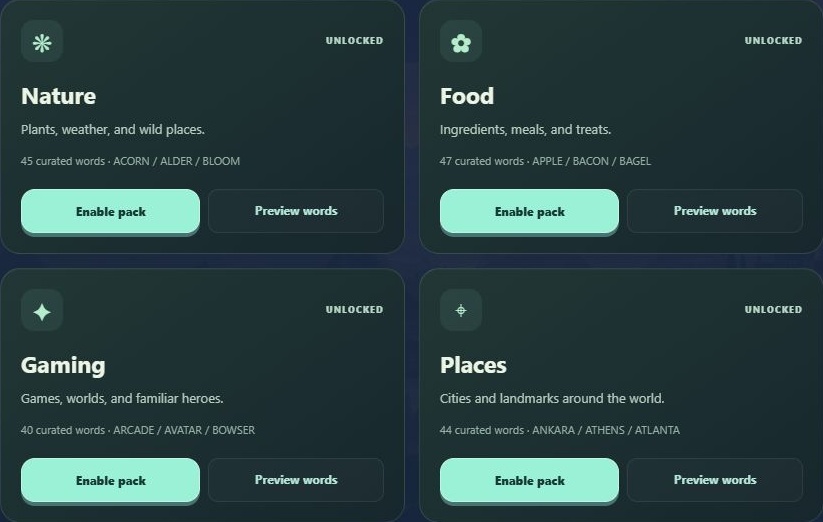
Lexacade home-screen screenshot

Playable browser prototype

02 / Current personal work

Lexacade

Falling letters meet word tracing.

Stack letter blocks, trace words across the board, and clear space before you run out of room.

  • Game rules: balance placing letters with finding useful words.
  • Level goals: shape challenges around scores, word lengths, and word targets.
  • Progression: develop a journey that introduces new challenges over time.
  • Player experience: refine touch controls, feedback, menus, and the feel of each action.
My role

I direct development with AI tools, choose and refine the game rules, playtest the builds, and guide improvements to the interface and game feel.

An evolving prototype. The playable build currently requires ChatGPT sign-in.

Demon Slayer: The Hinokami Chronicles 2 key art

Demon Slayer: The Hinokami Chronicles 2

An arena fighter with a story-driven Adventure mode. I built the explorable levels players walk between fights.

Greybox

I designed more than seven Adventure mode levels for Demon Slayer 2.

  • Built early layouts, level logic, NPC interactions, UI prompts, and progression.
  • Worked with artists and programmers as the levels developed.
  • Helped refine character movement, camera, and controls.
More about the work & screenshots
7+Adventure mode levels designed
4platforms shipped

What I owned

  • Blockouts for 7+ Adventure mode levels, from first layout to final logic.
  • Level scripting that ties everything together in each space: UI prompts, characters, NPCs and progression gates that decide when the player can move on.
  • The 3Cs of the playable character in Adventure mode: how the character moves, how the camera follows and how the controls feel.

How I worked

With a team of 100+ across in-house staff and outsourcers, most of my job was making sure a level still played as intended after it passed through many hands. I worked directly with programmers and artists to improve the level pipeline we'd inherited, so later levels were faster to build and easier to hand off.

Official screenshots

Metro Awakening key art

Metro Awakening

A single-player VR stealth game. I joined early to work out how the player's hands should interact with the world.

Greybox

At Vertigo Games, I researched and prototyped VR interactions.

  • Documented five interaction designs for the team.
  • Built and playtested four or more mechanics in Unreal Blueprints.
  • Shared results and planned what to test next.
More about the work & screenshots
5VR interactions researched and documented
4+core mechanics prototyped and playtested

What I owned

  • Research and design documents for five VR player interactions, written so engineers and animators could build from them.
  • Playable Blueprint prototypes of four or more core mechanics, tested in headset rather than argued about on paper.
  • The prototype review meetings, each ending with a short list of action points for the next iteration.

Why it matters

In VR, a mechanic that reads well in a document can feel wrong the moment it's in your hands. Prototyping fast and reviewing every build kept the team deciding from playtests instead of opinions.

Official screenshots

Arid: a lone figure in the Atacama Desert

Arid

A first-person survival game set in the Atacama Desert. I designed how the player moves, climbs and copes with the heat.

Greybox

A first-person survival game set in the desert. I worked on how the character moves and feels.

  • Built and tested movement and climbing prototypes.
  • Tuned controls, the camera, and gameplay values.
  • Playtested throughout development and helped fix bugs.
More about the work & screenshots
89%positive across 1,400+ Steam reviews
150+YouTube playthroughs
Best Student GameDutch Game Awards; The Rookies finalist

What I owned

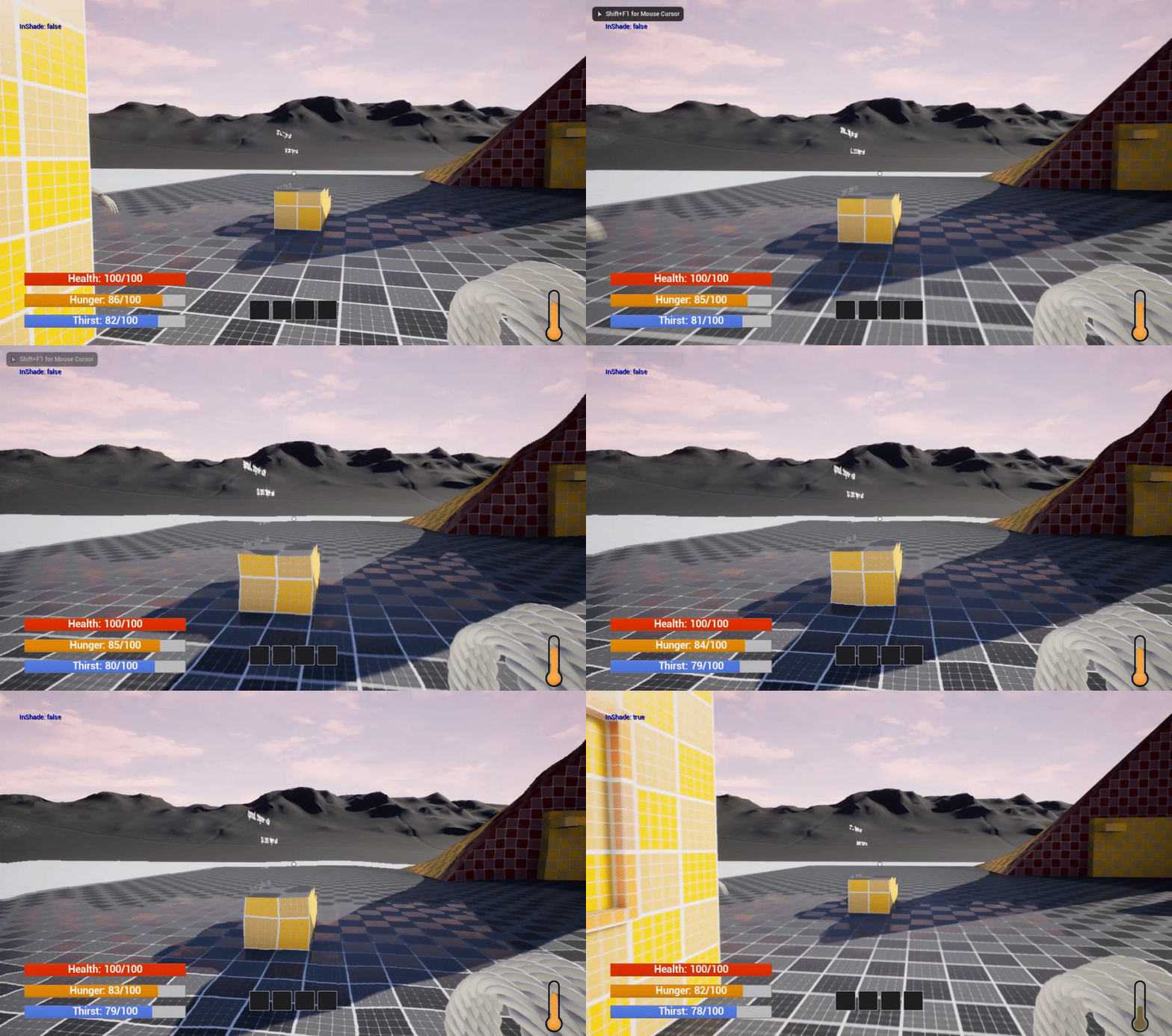
The character's core moveset, from first Blueprint prototype to final tuning, plus the item stats and player-feel values that decide how hard the desert is.

  1. Research the genrePlayed and broke down the core loops of leading survival games against specific research questions, then turned the findings into action points for our design.
  2. Build the character and controlsPrototyped each movement feature in Blueprints, tested it, and iterated with animation, programming and sound. Built a gym level so the whole team could test and debug movement in one place.
  3. Design rope climbingDesigned the rope-climbing mechanic with our programmers, documenting its intended behavior and limits so everyone built toward the same thing.
  4. Balance and QA through early accessBalanced player systems and resource data tables, ran beta tests with outside players, and kept game-breaking bugs reported and moving through the QA pipeline.

From the build

Players playing it

Content creators picked Arid up during early access. Their videos showed us where players got lost or frustrated, which fed straight into UI, flow and quality-of-life fixes.

Crowd King: the king and his mushroom minions

Crowd King

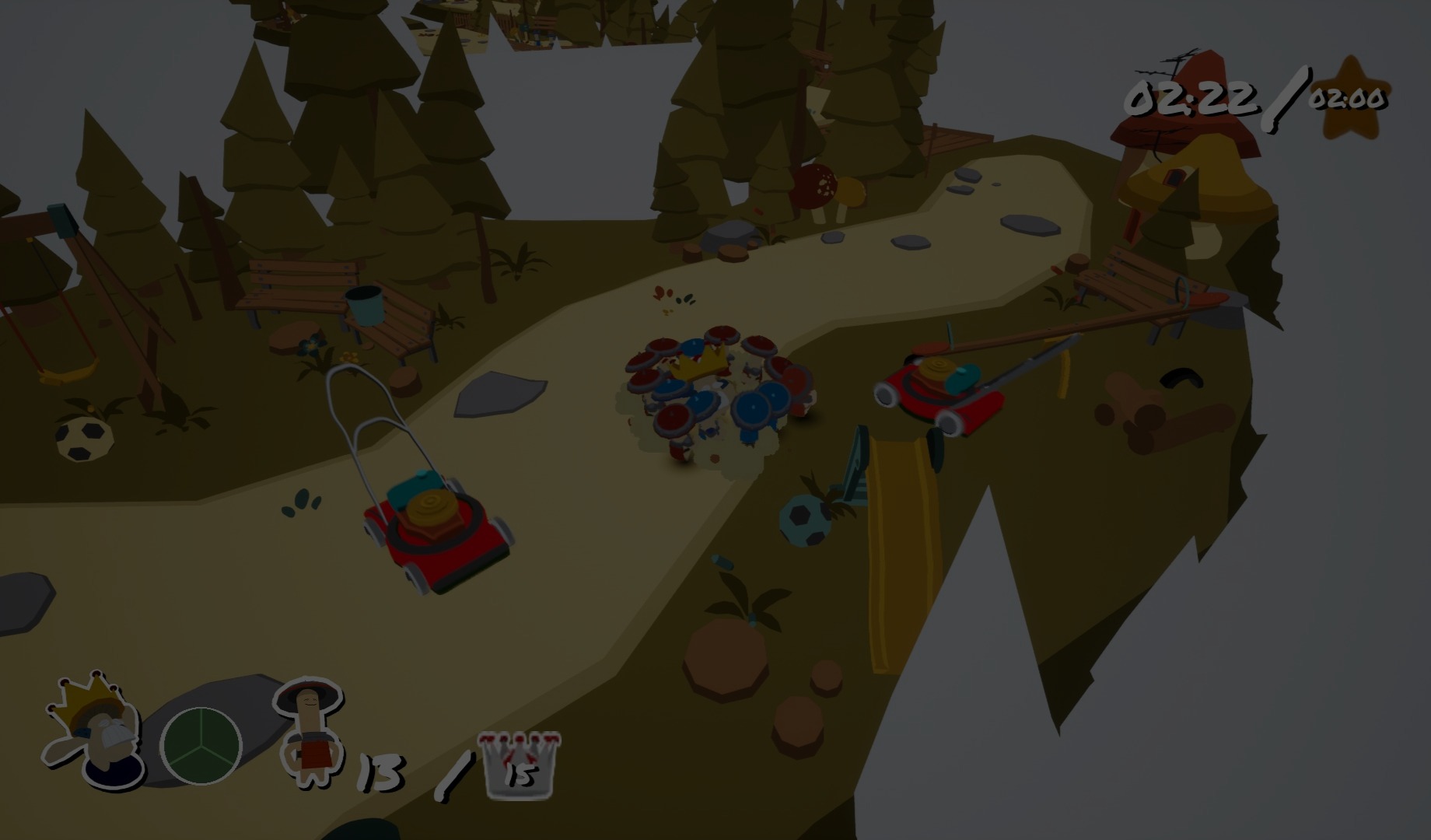
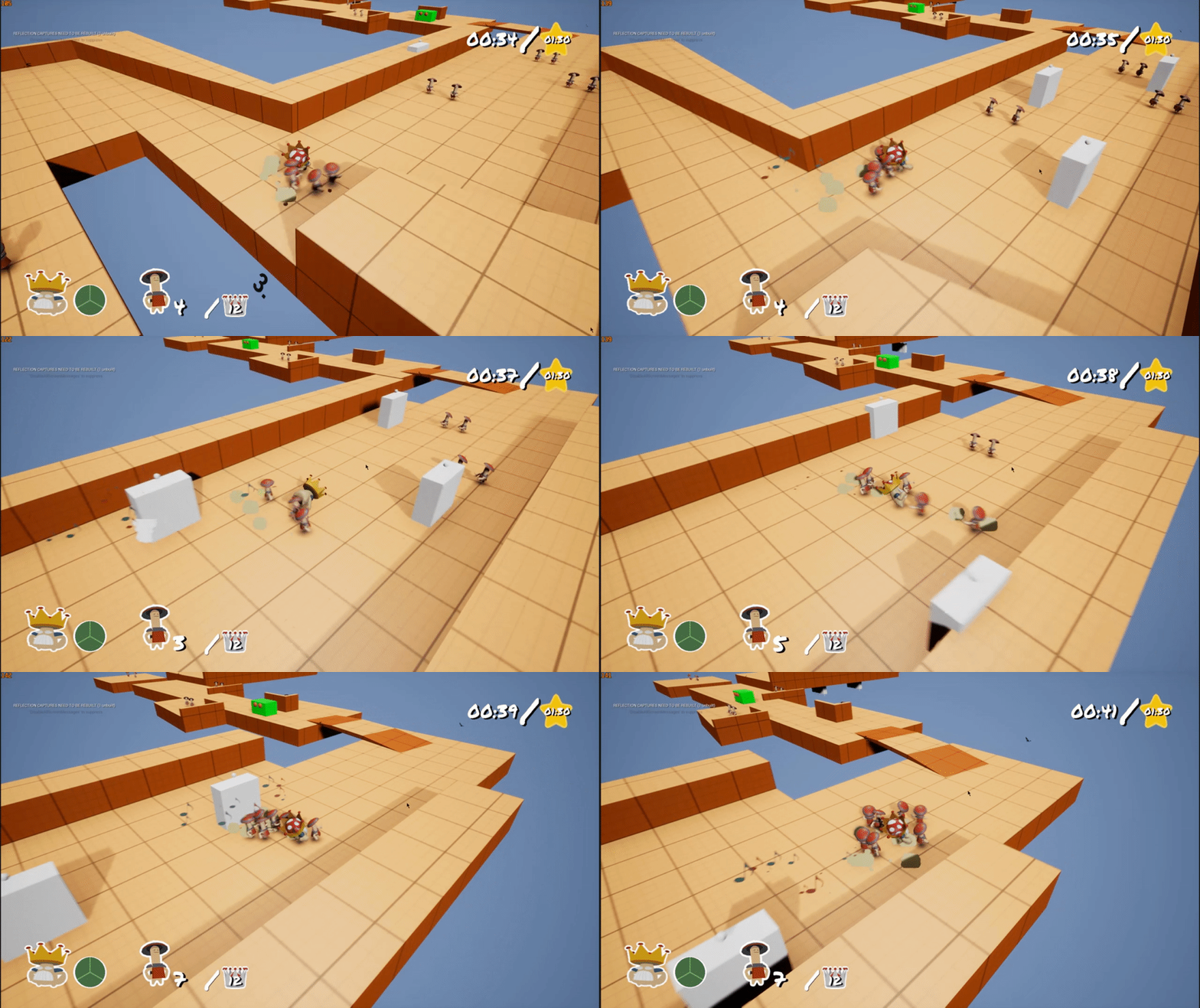
A platformer where the king rescues his queen while herding an army of mushroom minions to the finish. I made the crowd worth gathering and built the first level.

Greybox

An action platformer about leading a crowd of minions. I worked on their controls and the introductory level.

  • Broke down the minion controls and explored ways to improve them.
  • Tested movement distances and interactions in a small test level.
  • Built and refined a level that teaches players the game.
More about the work & screenshots

I joined mid-production, when the core idea had a gap: players had no reason to collect their minions. Fixing that, then turning it into a level, was my job. The game shipped feature-complete on itch.io after eight weeks, made remotely during the pandemic.

  1. Give the crowd a purposeBroke down the minion-gathering feature, laid out its current flaws with possible fixes, and ran focused brainstorms that each tackled one problem.
  2. Build a metric gymSet up a gym with every interactable and all movement values, so jump distances and minion behavior could be measured, not guessed.
  3. Go from sketch to snippetSketched small gameplay moments on paper, then built them in engine with a custom Blueprint that let testers jump between snippets.
  4. Assemble and playtest the levelSorted the snippets by difficulty and interest to build the onboarding level, then playtested it toward a gradual difficulty curve.
  5. Track every iterationLogged each significant change with the reason behind it, so the team could see why the level looked the way it did.
  6. Protect it through the art passKept the intended moments intact as art went in, adding blocking volumes so props couldn't break movement.

From the build

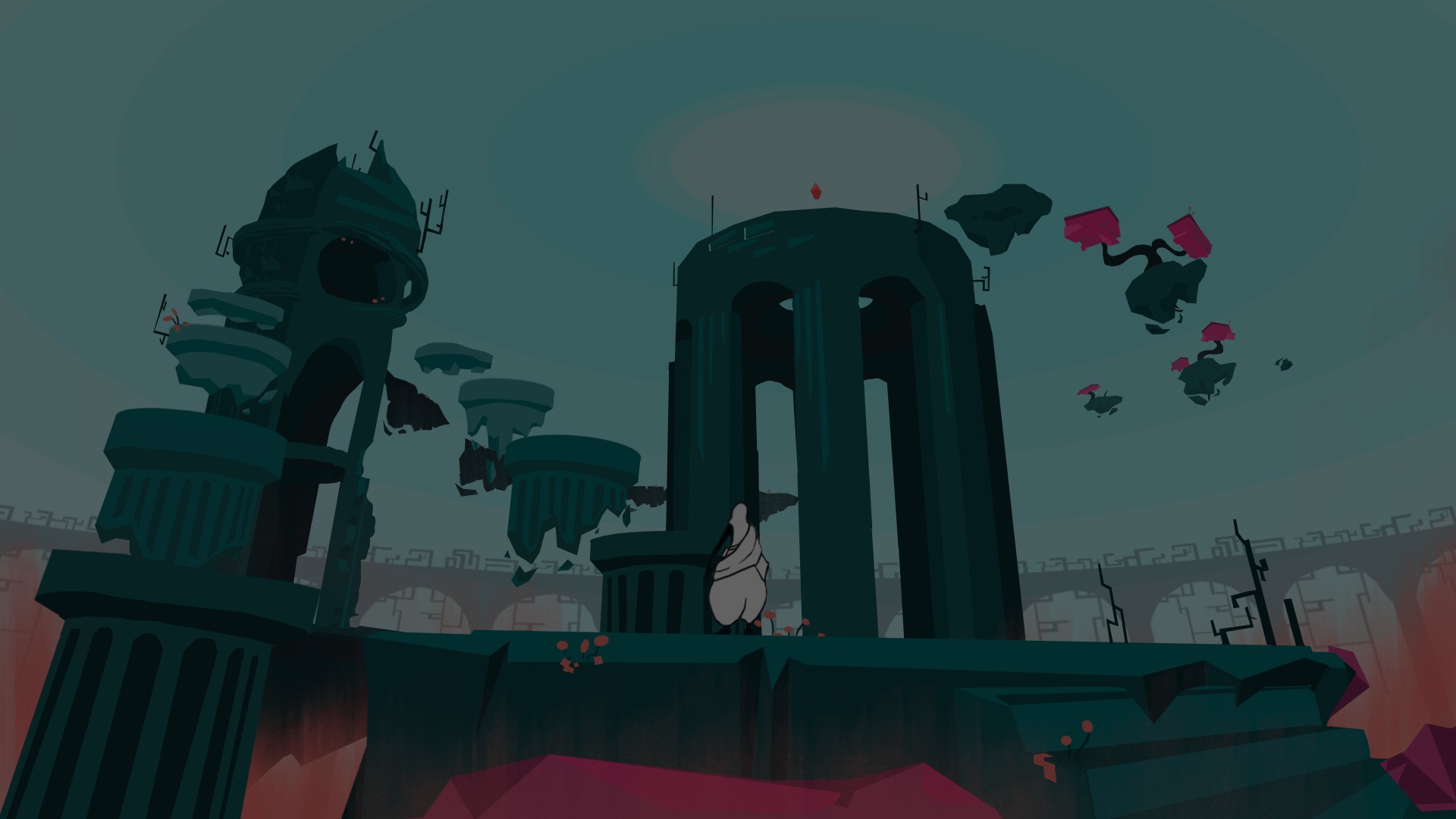
Something With Perspective key art

Something With Perspective

A puzzle platformer where you switch between 2D and 3D to cross a broken world. I led the concept into a working proof of concept and built its levels.

Greybox

A puzzle platformer built around switching between 2D and 3D.

  • Helped turn the initial idea into a playable prototype.
  • Refined movement, camera, and the perspective-switch effect.
  • Built the introductory level and another stage.
More about the work & screenshots
Best GameBUas Game Awards, Year 1
Best DesignBUas Game Awards, Year 1
Audience FavoriteBUas Game Awards, Year 1

The bars that close in on the cover above are a nod to the switch effect I built for this game: black borders that slam in when the perspective flips, so the change lands with weight.

  1. Idea to pitchRan divergent and convergent brainstorms, set the vision, and broke the concept into mechanics, dynamics and aesthetics. We had a playable prototype of the core within a week.
  2. Prototype the 3CsExplored what the perspective switch could do, defined the character's feel against references like FEZ and Portal, and worked closely with the gameplay programmer and character artist.
  3. Build the levelsWith no dedicated level designer on the team, I built the onboarding level and a second level that expands on the switch, planned pacing in a spreadsheet and playtested both systematically.
  4. Give the switch impactDesigned and implemented the black-border transition and camera change in Blueprints.

From the build

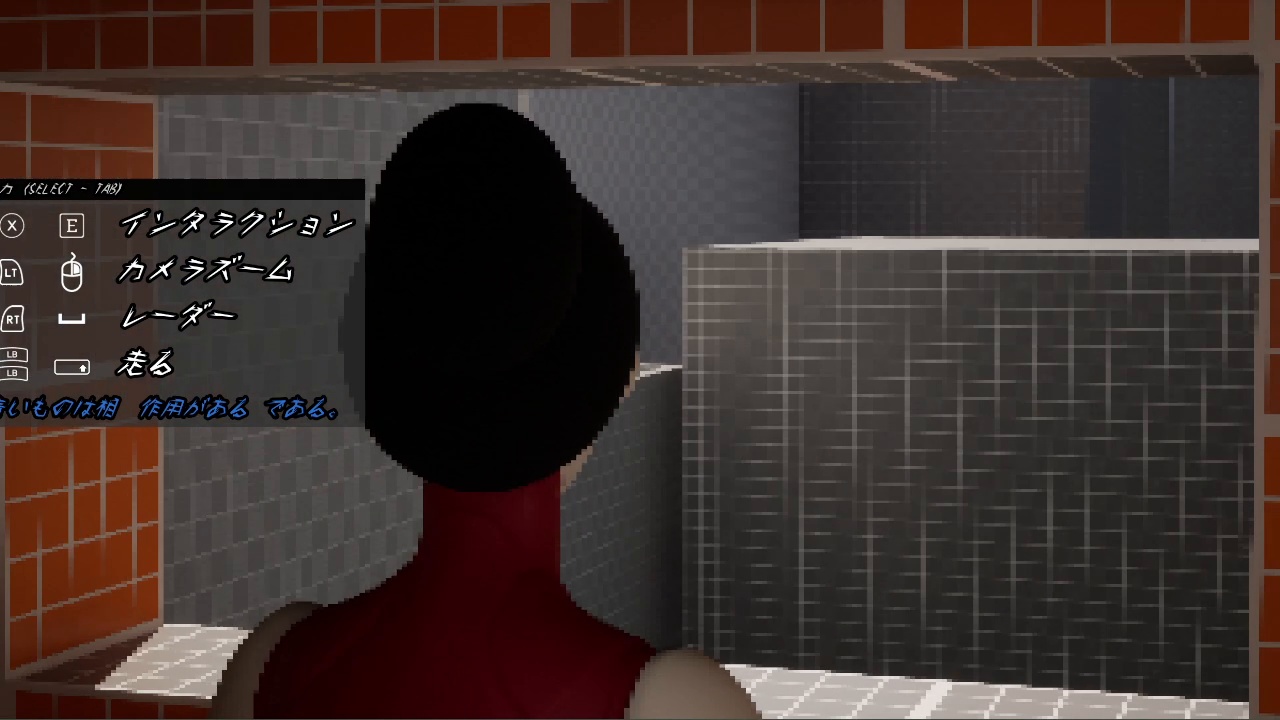
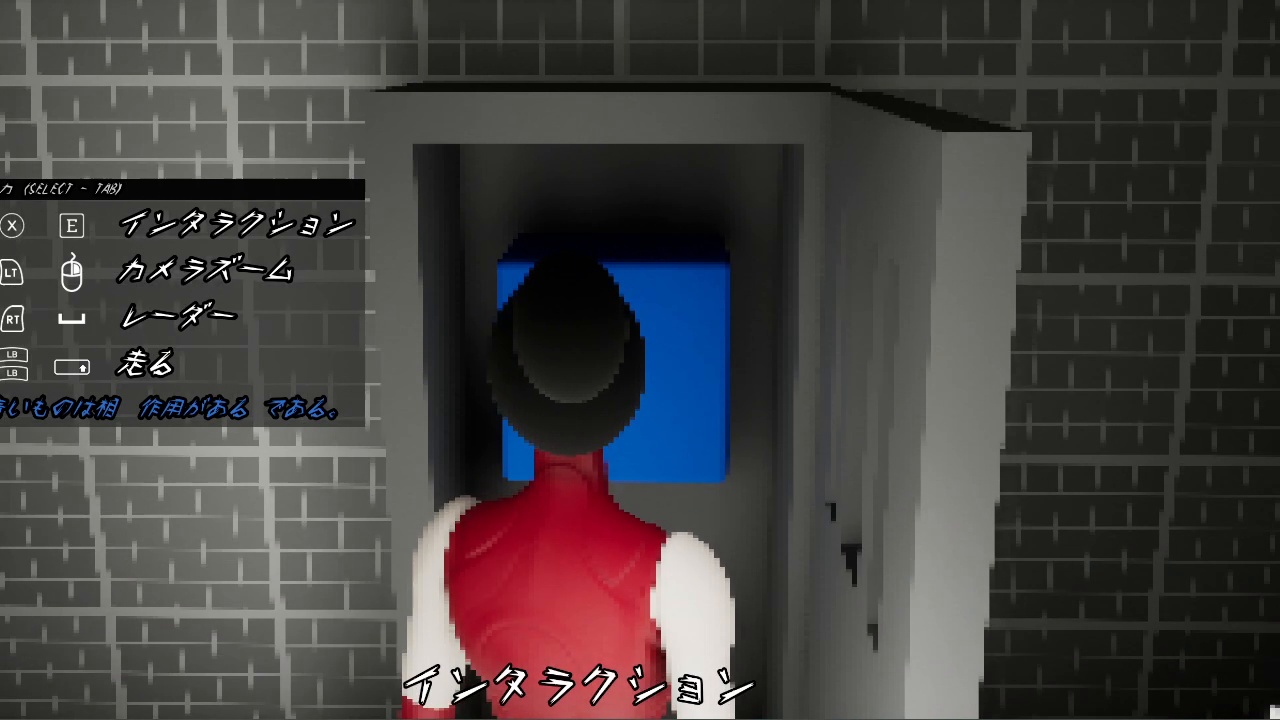
Third-person horror prototype industrial environment

Third-Person Horror Prototype

A 2023 level-design prototype focused on exploration, spatial tension, environmental readability, and guiding a third-person player through an unsettling industrial space.

A playable horror study built around moving through a large, low-light industrial environment.

  • Used layout, scale, lighting and sightlines to make exploration feel uncertain without making navigation unreadable.
  • Structured spaces around reveals, constricted passages and larger chambers to vary tension and pacing.
  • Tested the level from a third-person camera, keeping traversal routes and environmental landmarks readable at player height.
Gameplay captures & design focus

Design focus

The prototype is visually rough by design: the emphasis is the playable space. The footage shows how the environment alternates between narrow routes, open industrial volumes, vertical structures and points of interest to keep the player scanning the space while moving forward.

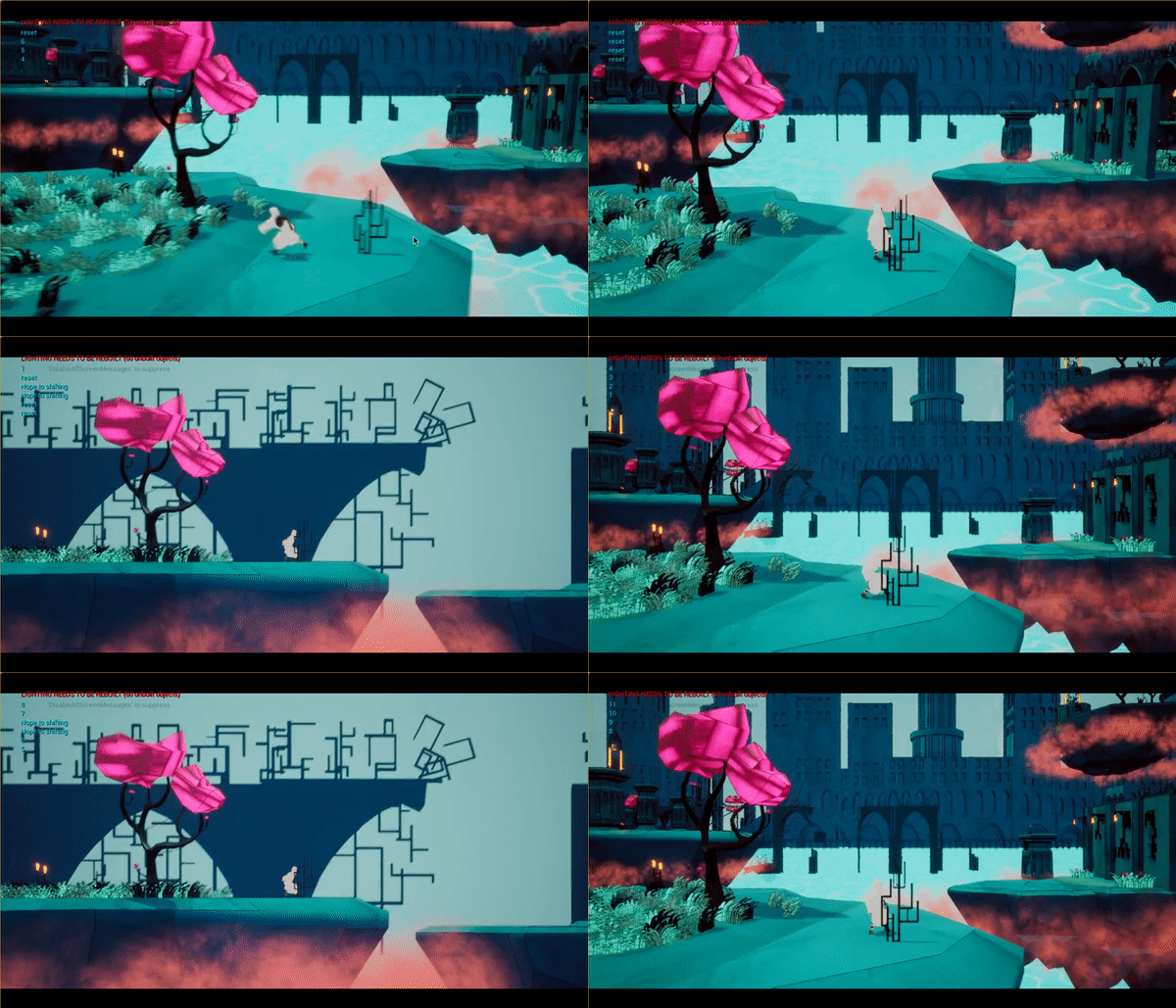
Grapple platformer gameplay

Grapple platformer

A fast vertical platformer: grapple upward and jump between two dimensions to escape the danger rising below.

Greybox

A personal platformer prototype built around a grapple mechanic.

  • Built and tested grappling in Unreal Blueprints.
  • Made movement settings easier to tune.
  • Designed an introductory level to teach the controls.
More about the work & screenshots
  • Built and iterated the grapple logic until swinging felt dependable at speed.
  • Exposed the grapple's metrics as public variables, so range, pull and timing could be tuned without touching the logic.
  • Built the onboarding level that teaches grappling and the dimension jump.
  • Documented the core design principles and the player behavior each level should encourage.
Streets of Red: Devil's Dare Deluxe

Ratloop Asia internship

My first time in professional game development, at the Singapore studio behind the Rocket Birds series.

Greybox

During my internship at Ratloop Asia, I helped test games and prepare content for release.

  • Playtested games and reported bugs.
  • Helped prepare Streets of Red content for localization.
  • Built prototype menus and settings UI in Unity.
More about the work & screenshots

Streets of Red: Devil's Dare Deluxe

Prepared the game for localization by stripping baked-in text from sprites and UI elements, and playtested the 2018 content update. Steam page

Dusty Raging Fist

My first assignment: played the full game through several times and logged feedback and bugs in Trello ahead of its Switch release.

Buglords (unreleased, PS4)

Playtested gameplay and menus, and built a placeholder UI system in C# as my learning assignment: my first time inside a large Unity project.

About

I like making games that feel good to play and are easy to understand.

I work across level design and gameplay: sketching ideas, building playable prototypes, and testing how players respond.

I studied game design at Breda University of Applied Sciences, worked on VR prototypes at Vertigo Games, and designed levels at CyberConnect2 in Japan. I’m now based in Ottawa and developing personal projects alongside my job search.

Based in
Ottawa, Canada
Languages
English, Dutch
Favorite game
osu!
Favorite genre
Rhythm and skill-based
  • Unreal Engine 4/5
  • Blueprints
  • Unity
  • Level blockouts
  • Godot
  • Movement & camera
  • VR interaction
  • Perforce
  • Jira
  • Playtesting
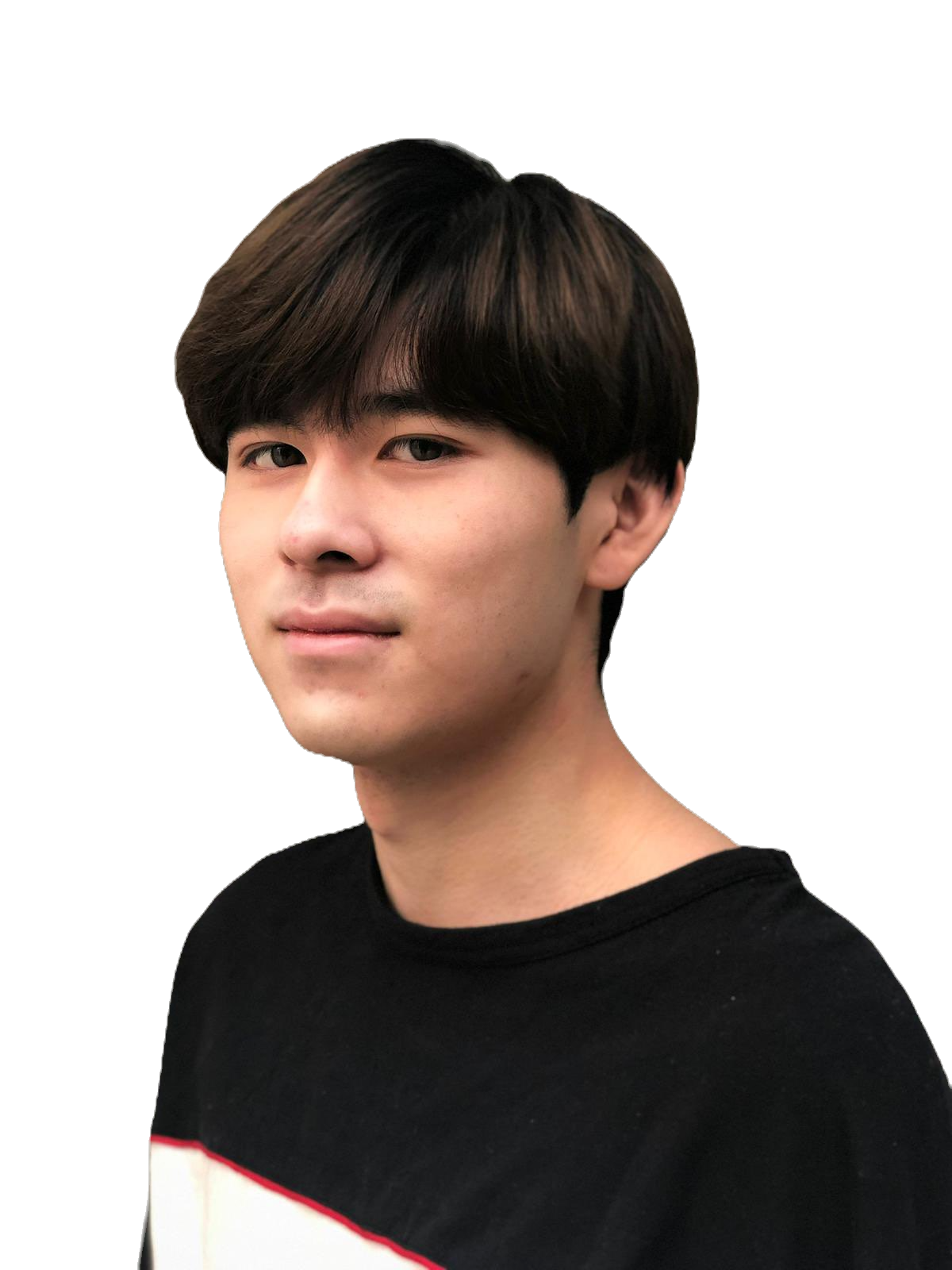
Portrait of Joshua Lai
Joshua Jo-Kiu Lai

Let’s make something worth playing.

I’m based in Ottawa and looking for game design and level design opportunities. Get in touch to talk about a role or my work.